
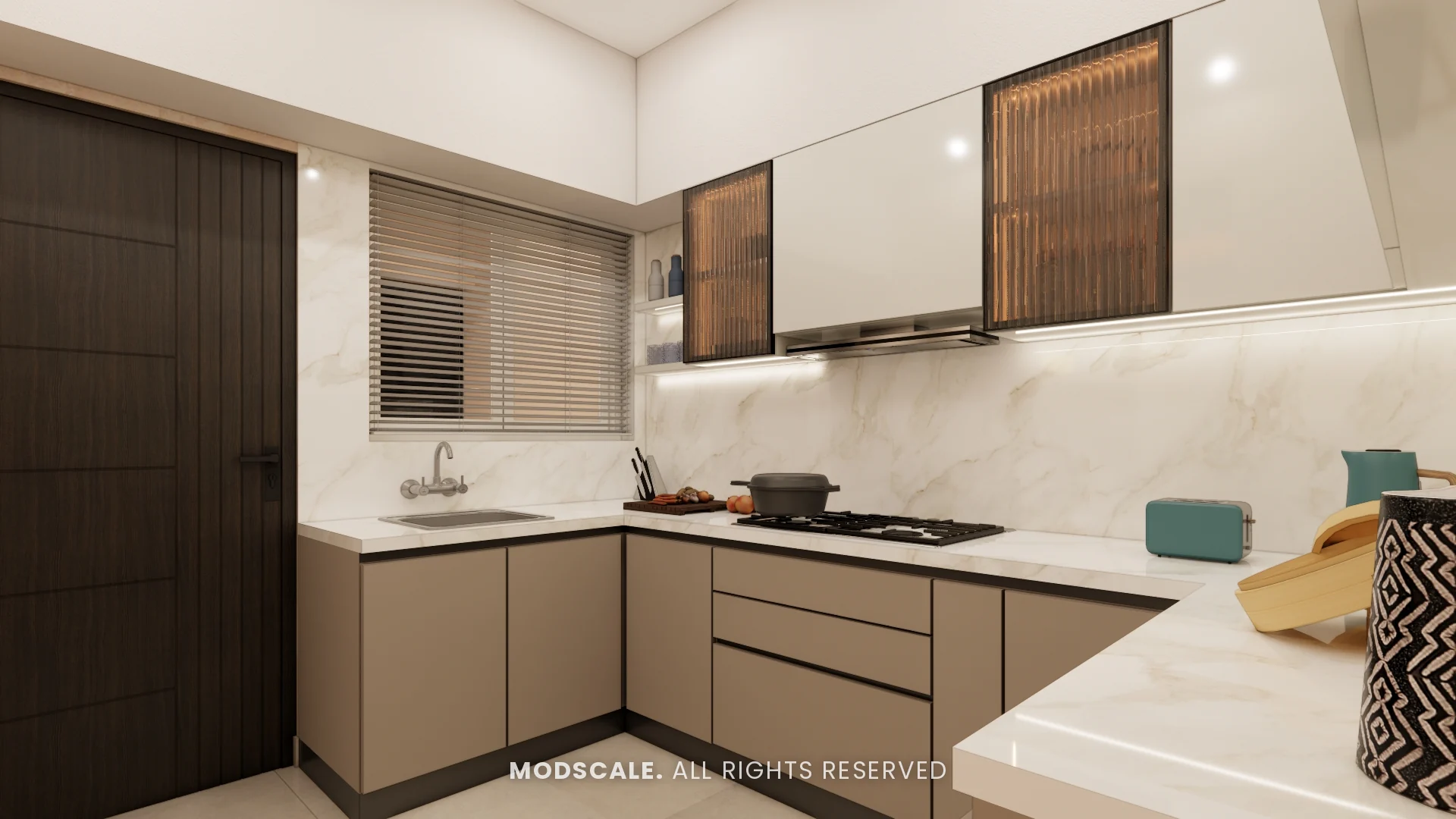
The sink is the most used spot in an Indian kitchen: vegetables are washed, utensils pile up after every meal and large vessels need space. A good kitchen sink design gets the size, the bowl type and the position right, and plans the storage and plumbing underneath. Here is what to consider.
Types of kitchen sinks
- Single large bowl: the best choice for most Indian kitchens, because kadais, pressure cookers and big vessels fit easily.
- Double bowl: one bowl for washing and one for rinsing or soaking; needs a wider counter.
- Single bowl with drainboard: a ribbed area to drain utensils, useful if you do not have a separate dish rack.
- Undermount sink: fixed below a granite or quartz counter, so the counter wipes straight into the sink.
- Top-mount sink: dropped in from above; simpler and easier to replace.
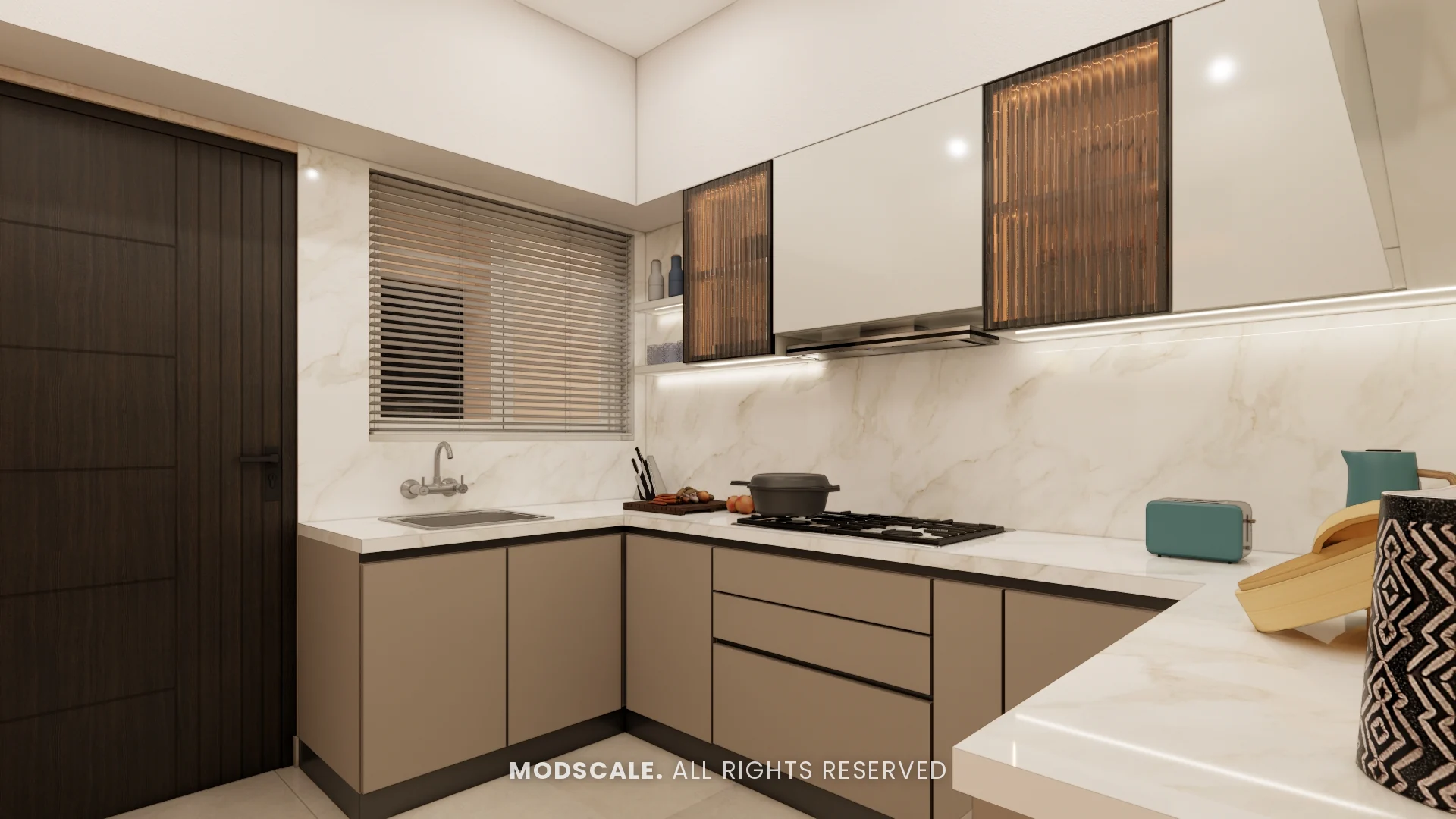
Materials
- Stainless steel: durable, affordable and easy to clean; choose a thicker gauge for fewer dents and less noise.
- Quartz or granite composite: scratch-resistant and available in black, grey and beige; looks premium.
- Ceramic: classic farmhouse look; can chip with heavy vessels.
Size and depth
For a single bowl, a size of about 24 x 18 inches with a depth of 9 to 10 inches suits most Indian homes. A double bowl usually needs a 36-inch or wider cabinet. Measure your largest vessel before choosing.
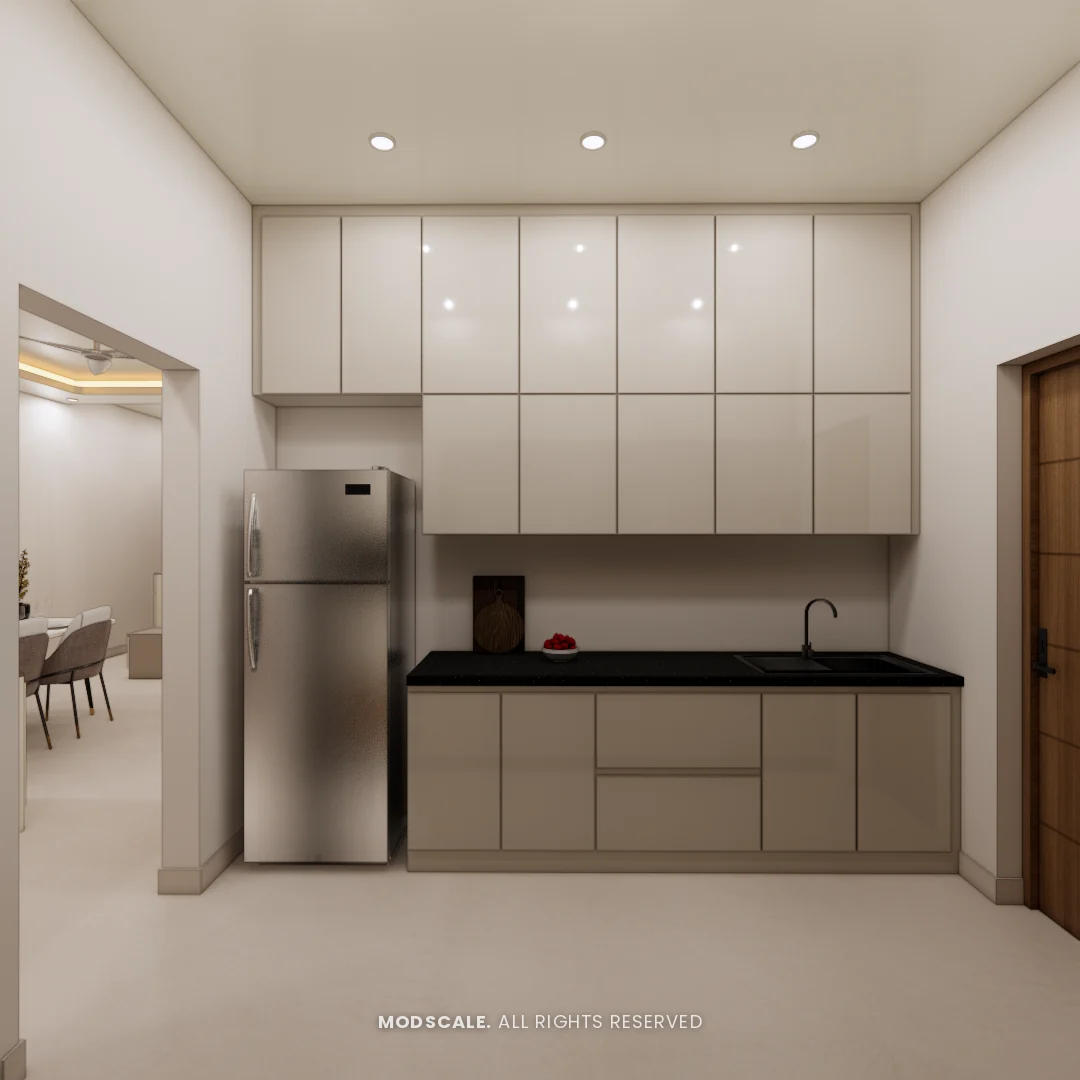
Where to place the sink
- Under the window, if possible, for daylight and ventilation.
- Between the refrigerator and the hob, following the work triangle.
- Keep at least 18 inches of counter on one side for stacking utensils.
- In L-shaped and parallel kitchens, avoid putting the sink right in the corner.
- Many homes add a second sink in the utility for heavy washing.
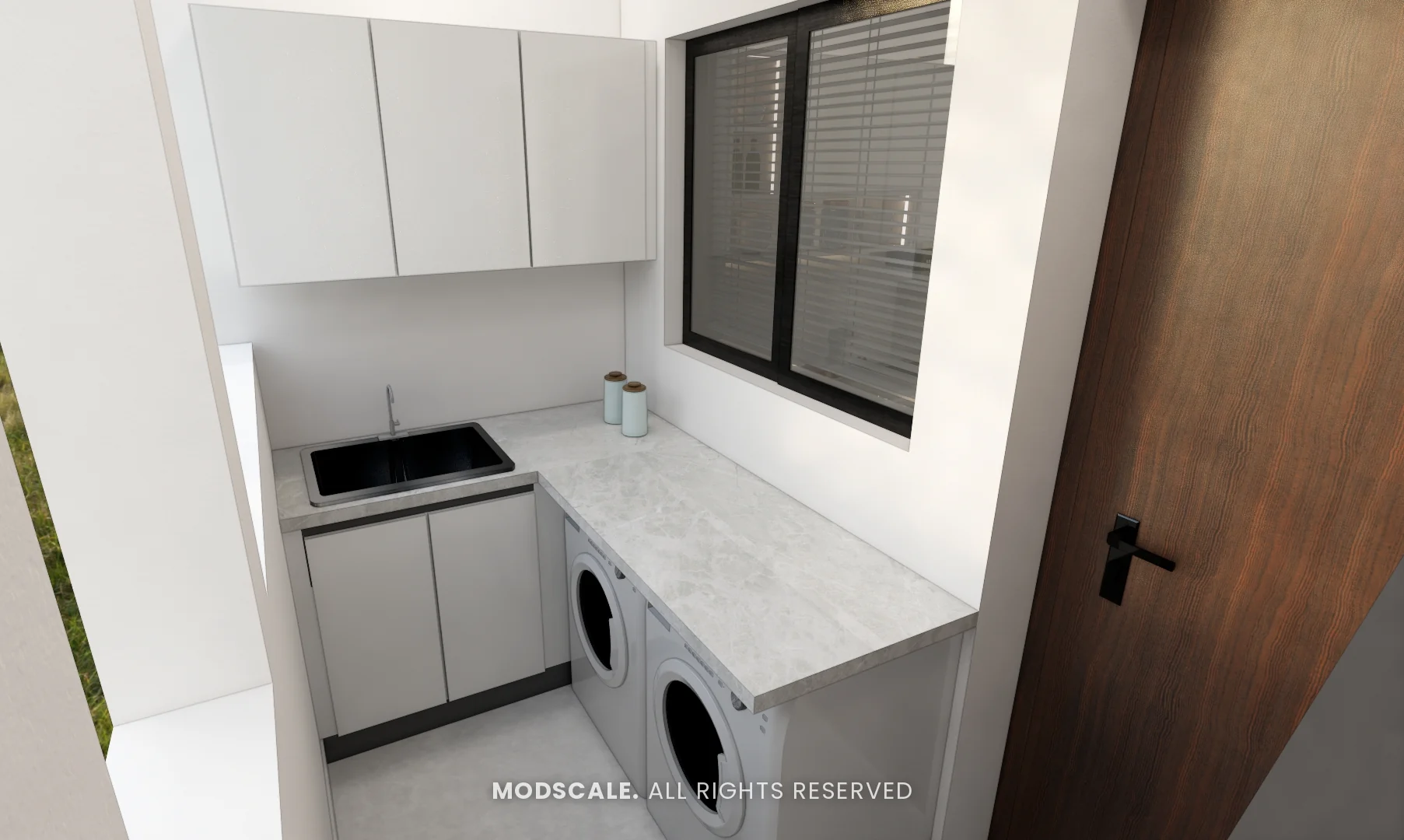
Faucet and under-sink storage
- A tall swan-neck or pull-out faucet makes washing big vessels easier.
- Under the sink, use a waterproof base, a pull-out bin and a detergent tray.
- Leave room for a water purifier and any filter pipes.
- Choose BWP plywood or aluminium for the sink cabinet because it gets wet often.
Planning the whole kitchen? See modular kitchen design for Indian cooking, kitchen platform height and aluminium vs plywood kitchens.
Frequently asked questions
A large single-bowl stainless steel or quartz sink, about 24 x 18 inches and 9 to 10 inches deep, so large vessels fit easily.
It helps if you soak and rinse separately, but it needs a wider counter. In most Indian kitchens a large single bowl is more practical.
Under the window if possible, between the refrigerator and the hob, with counter space on at least one side.
Steel is affordable and durable; quartz is more scratch-resistant and looks premium. Both work well with good care.
BWP plywood or aluminium with a waterproof base, because the area under the sink gets wet often.
Planning your interiors? Book a free design consultation or WhatsApp us on +91 88845 55998.