
Vertical lines are everywhere in modern interiors right now: fluted panels behind TVs and beds, wooden louvers on feature walls, fluted glass in wardrobes and partitions. They add texture and rhythm and make ceilings feel higher. Here are louvers and fluted panel design ideas, and the materials to use.
Louvers vs fluted panels
- Louvers (slats): separate strips fixed with gaps between them, often with a dark backing. They create strong shadow lines.
- Fluted panels: a single sheet with rounded or grooved channels. Smoother and easier to clean.
Where to use them
TV wall
Fluted panels on either side of the TV, or behind it, with a strip light at the top. See modern TV unit design.
Bed back and sofa walls
Wooden louvers from floor to ceiling make a dramatic feature wall. See bed back wall design.
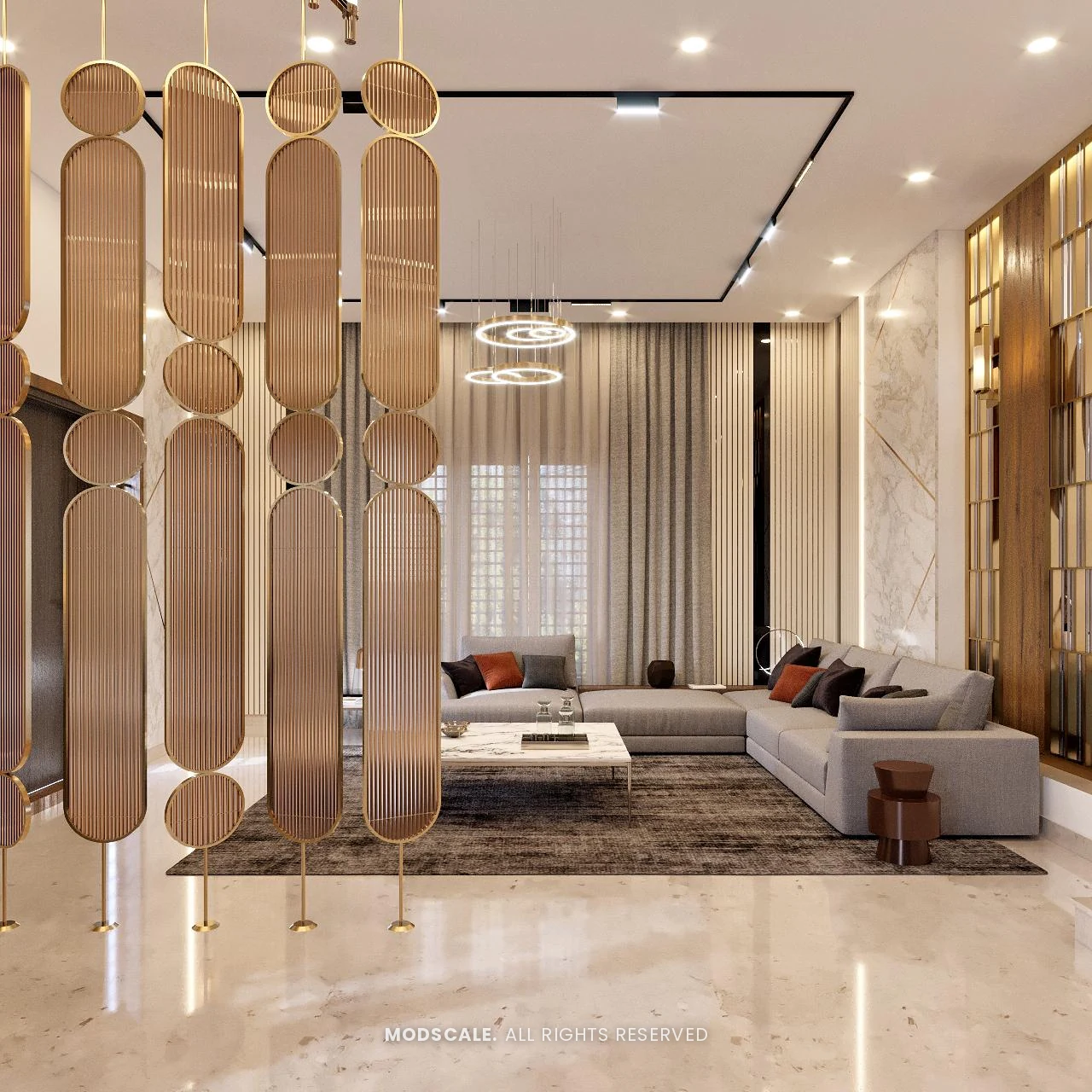
Partitions and screens
Freestanding louvers or a fluted metal screen divide the foyer or dining area while letting light through.
Foyer and entrance
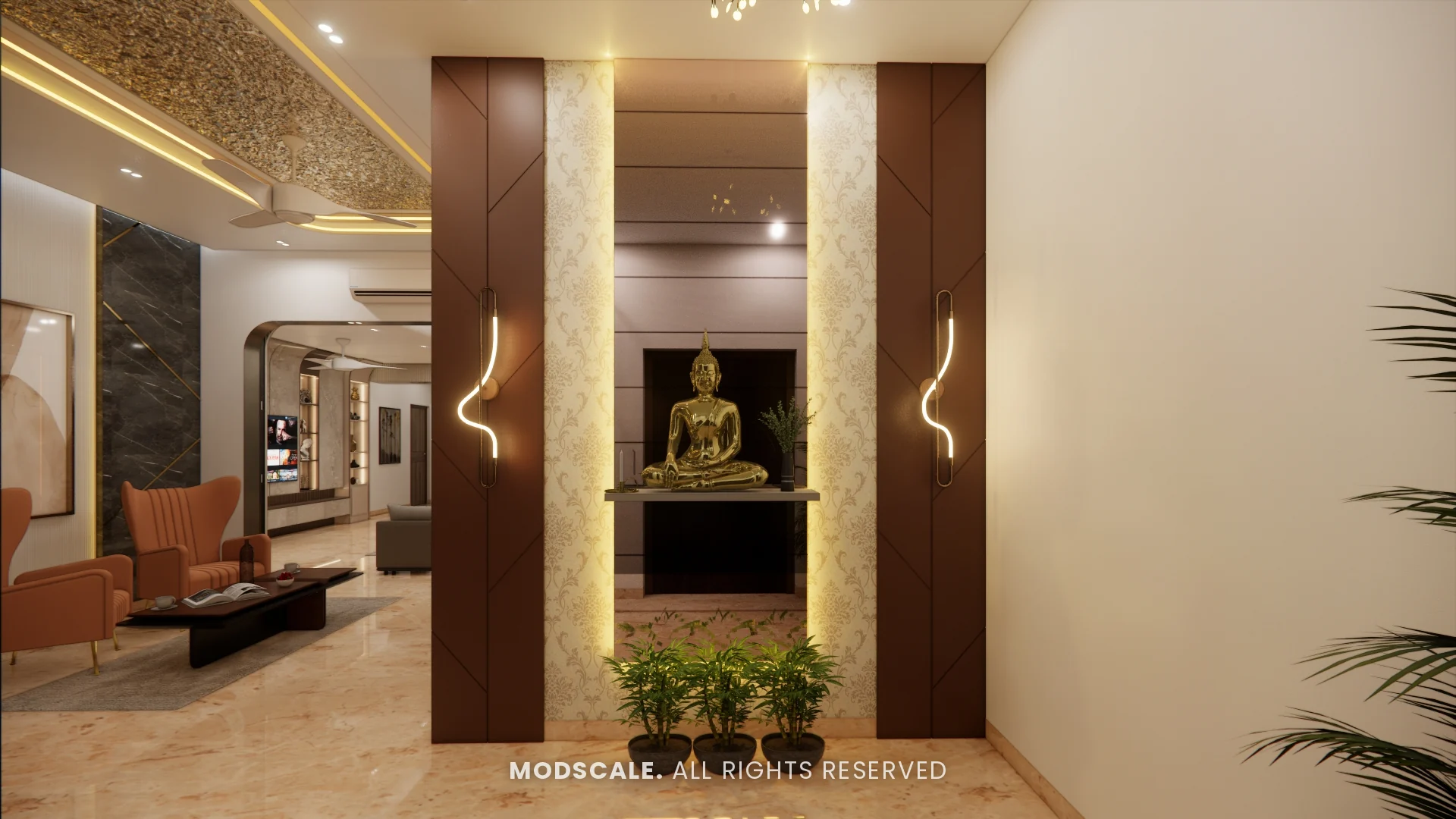
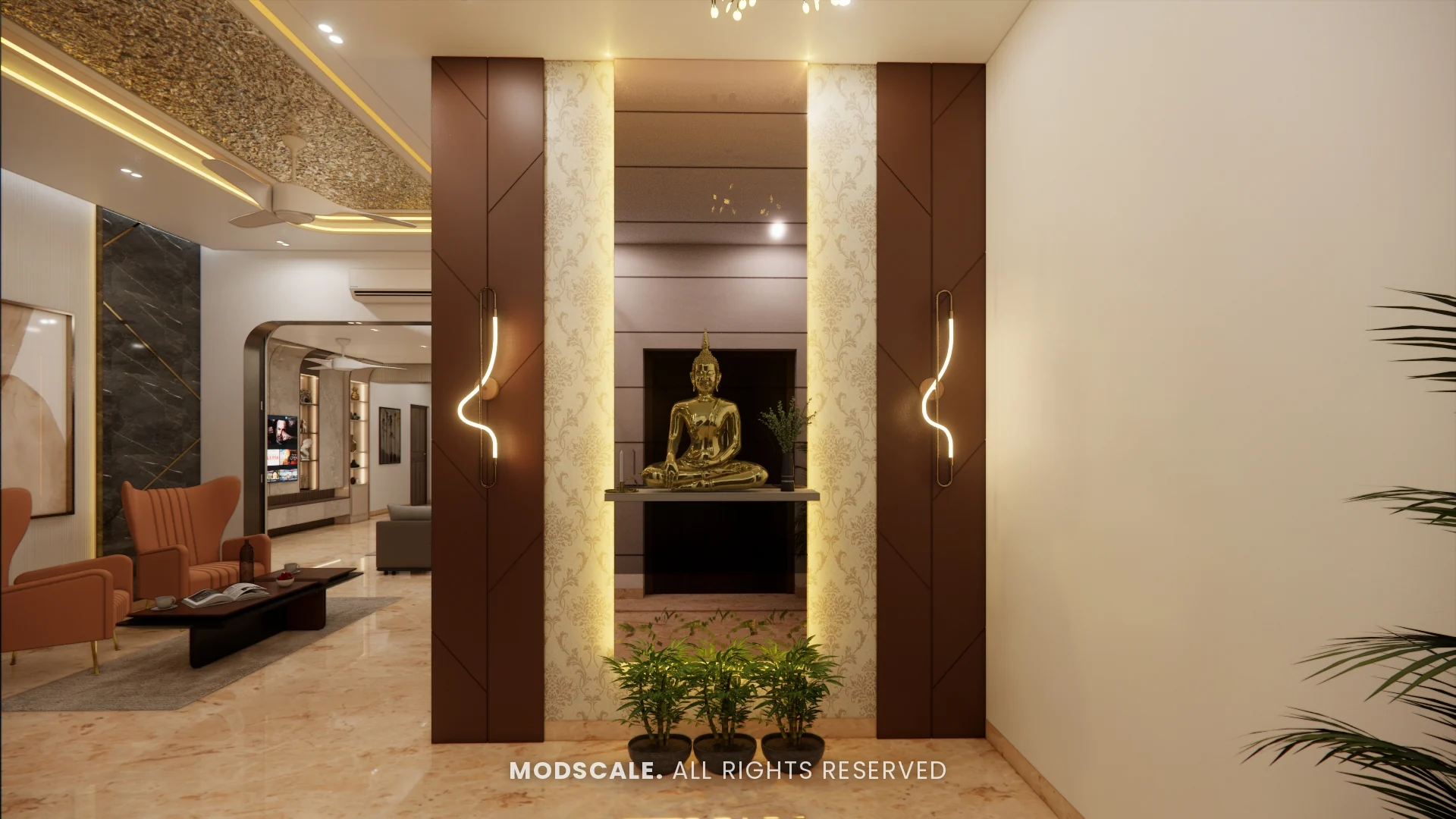
A fluted wall with a backlit niche makes a memorable first impression.
Ceilings
Wooden or PVC louvers in a band across the ceiling add warmth, especially in balconies and open kitchens.
Fluted glass
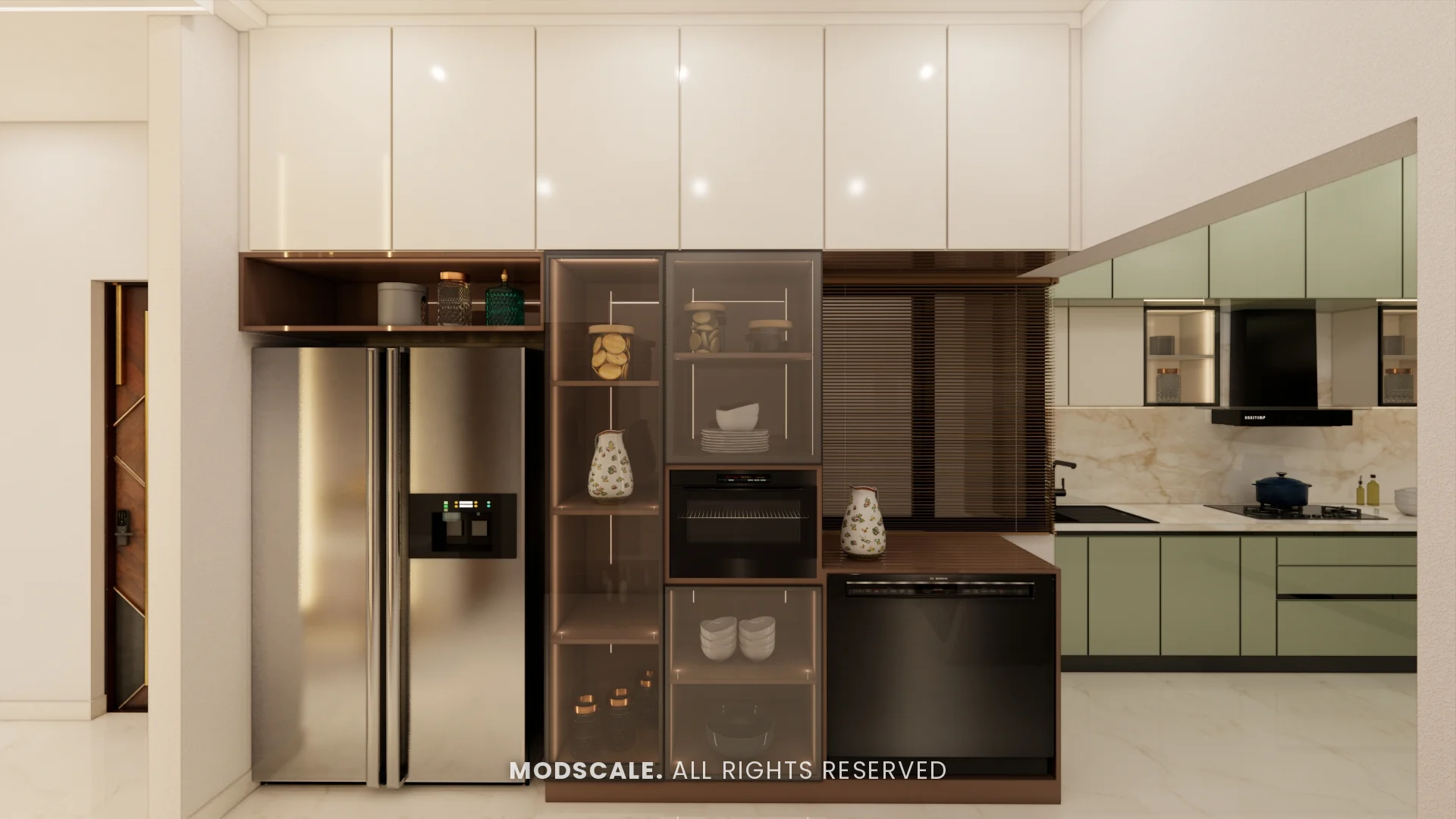
Fluted glass in wardrobe, crockery and kitchen shutters or partitions blurs what is behind while letting light through.
Materials
- WPC: waterproof and termite-proof; good for louvers and humid areas.
- PVC / charcoal sheets: affordable and quick to install.
- MDF or plywood with laminate, veneer or PU: the richest look for indoor walls.
- Solid wood: premium; needs polish and care.
- Metal and fluted glass: for screens and shutters.
Care tips
Dust louvers regularly with a soft brush; grooves collect dust, especially near open windows. Avoid deep flutes in kitchens, where they trap grease. Compare panel options in PVC wall panel design and wall panelling design.
Frequently asked questions
Louvers are separate slats with gaps between them; fluted panels are single sheets with rounded or grooved channels. Fluted panels are easier to clean.
WPC is waterproof and termite-proof; laminated MDF or plywood looks richest indoors; PVC is the most affordable.
They need regular dusting with a soft brush. Avoid deep flutes in kitchens, where grease collects.
Yes. Freestanding louvers or fluted screens divide spaces while letting light and air through.
Yes. Vertical lines draw the eye upward, which makes the ceiling feel higher.
Planning your interiors? Book a free design consultation or WhatsApp us on +91 88845 55998.