
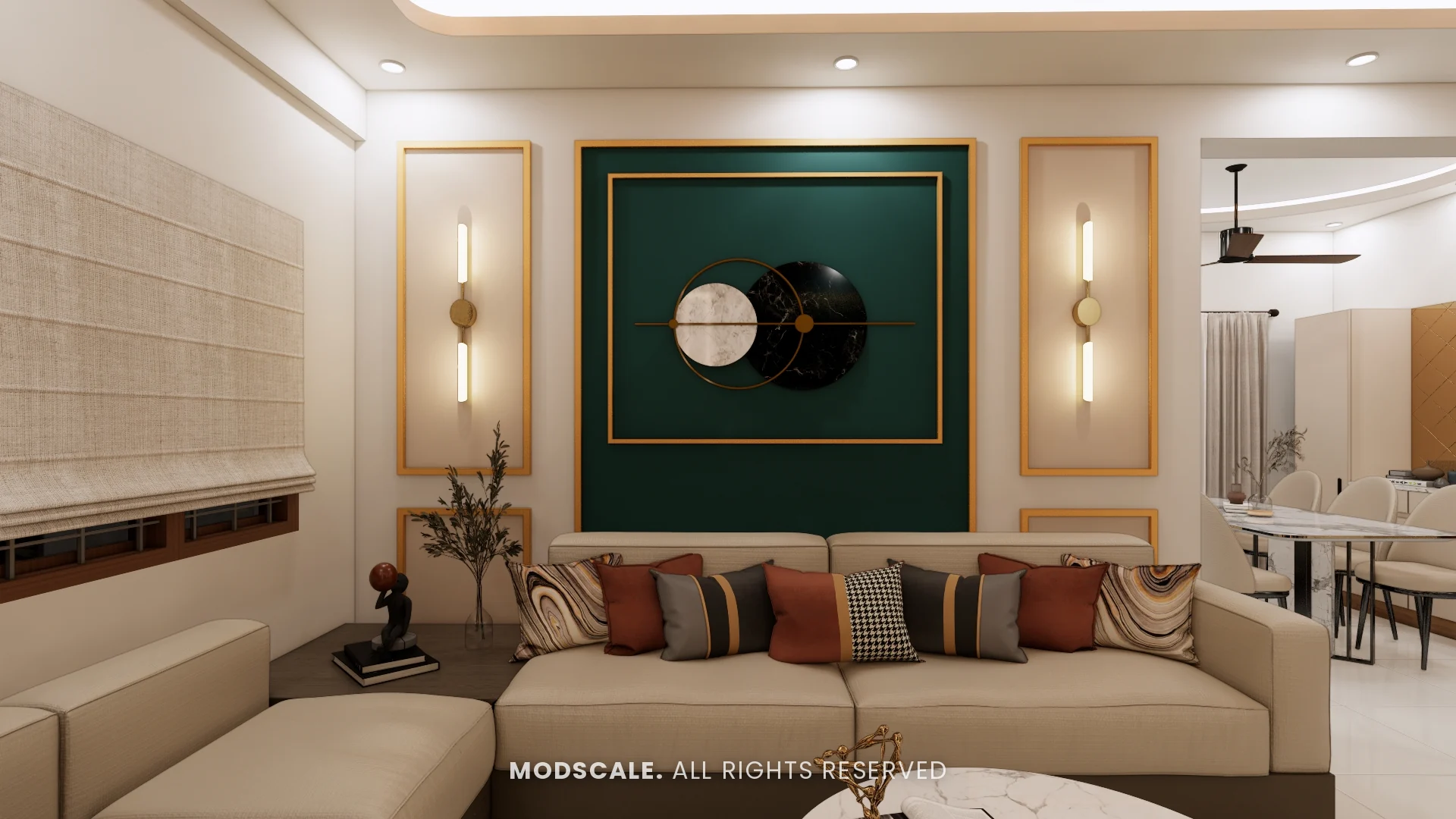
Texture paint adds depth to a wall without the joints of panelling or the upkeep of wallpaper. Used on one wall, it can make a plain hall or bedroom feel designed; used everywhere, it quickly looks heavy and collects dust. Here are the main types of texture paint, the patterns they create and the places they work best.
Types of texture paint
- Roller texture: a patterned roller creates repeating designs such as leaves, waves or geometric shapes. Affordable and quick, but the pattern can look busy on a large wall.
- Sand or grainy texture: fine sand particles give a soft, rough surface. Subtle and forgiving on uneven walls.
- Stone and concrete finish: trowelled finishes that look like stone, cement or travertine. Popular behind TV units and in foyers.
- Limewash and plaster effect: soft, cloudy colour variation with a matt finish, suited to Japandi and warm-minimal homes.
- Metallic texture: gold, copper or pearl effects; best kept to a small niche or a pooja backdrop.
- Combed or spatula patterns: lines, arcs or fan shapes drawn by hand; distinctive, but depends on the painter’s skill.
Where texture paint works best
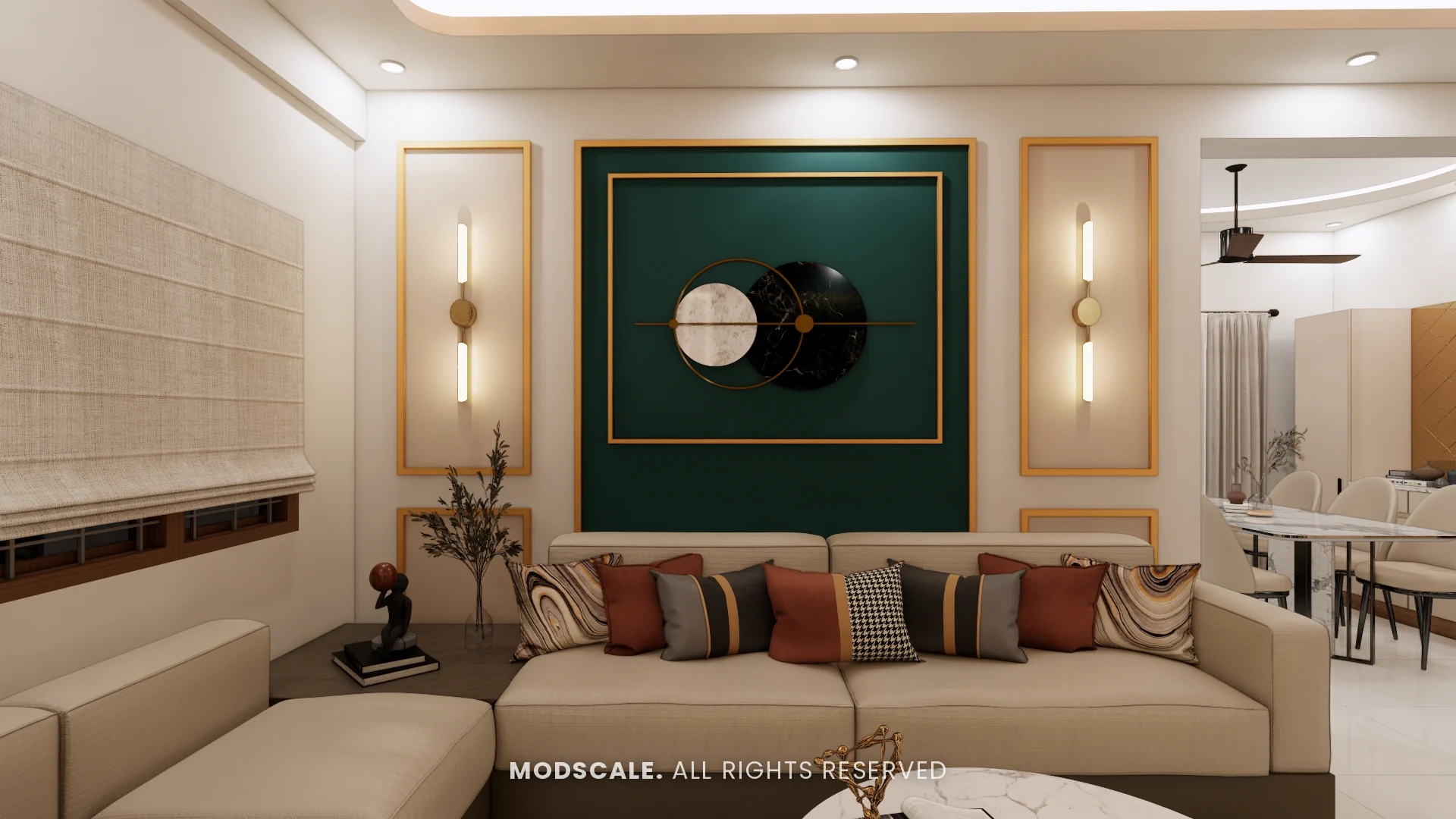
- Behind the sofa: a stone or limewash finish adds depth without competing with the TV wall.
- Behind the bed: a soft sand or plaster finish makes a calm headboard wall; avoid rough textures where your head rests.
- Foyer and passage: a textured wall with a wall light grazing across it creates a strong first impression.
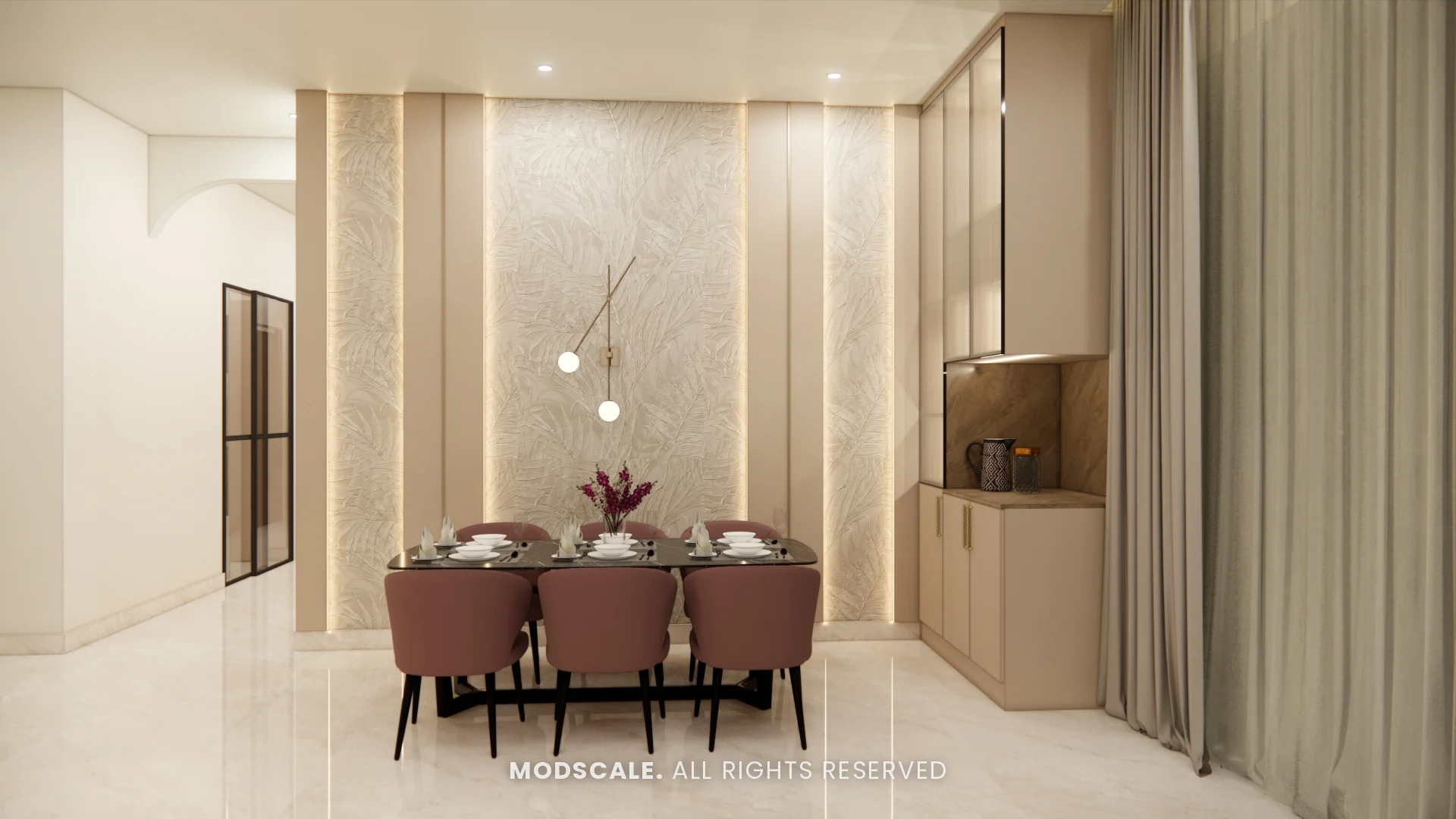
- Dining niche: backlit textured panels make the dining area feel like its own room.
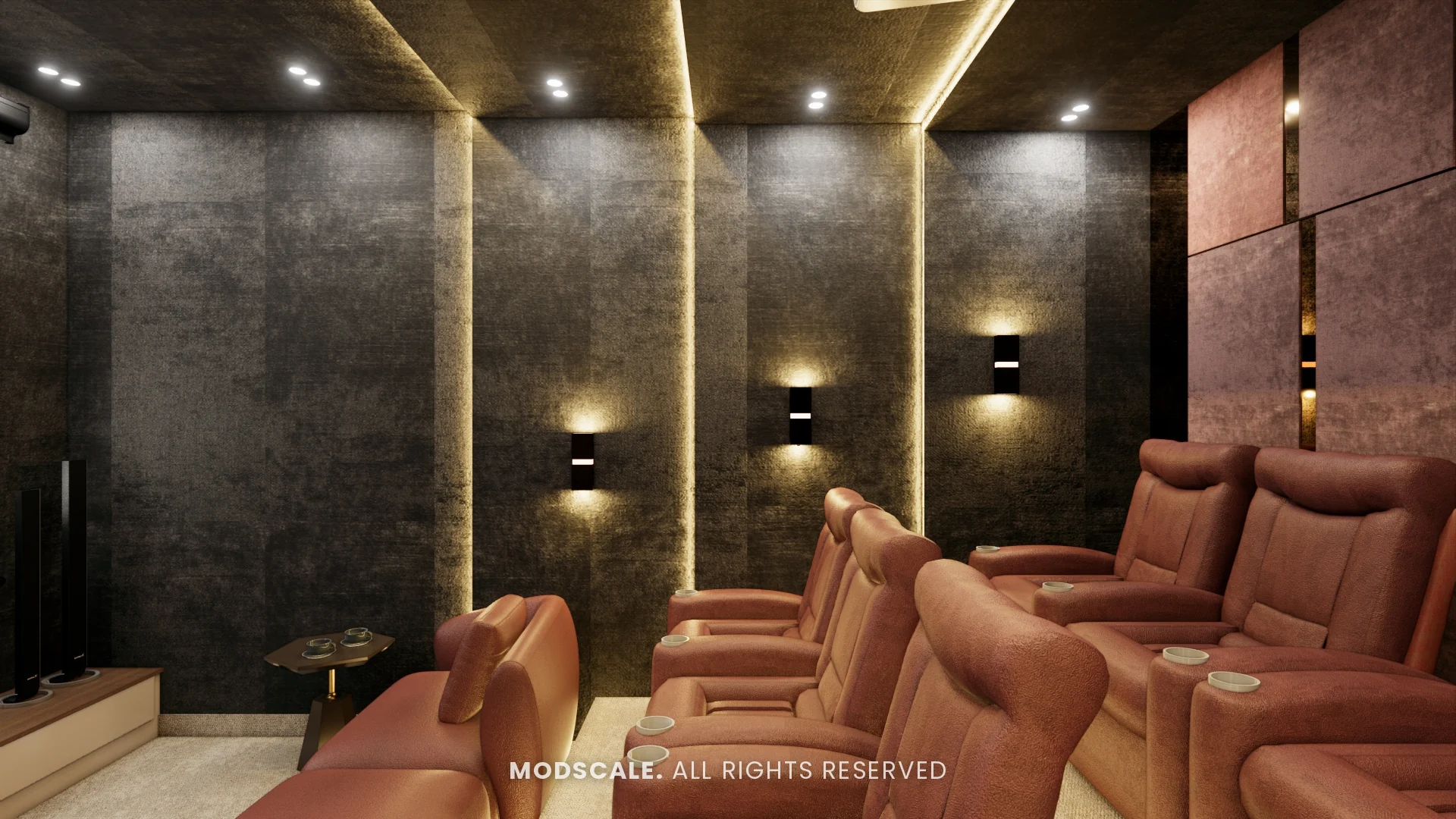
- Home theatre: dark textured walls reduce reflections and feel enclosed.
Choosing colour and pattern
Texture shows up most in mid tones: greige, sand, terracotta and soft olive. Very dark textures look dramatic but show dust, and very light ones can disappear in daylight. Always ask for a sample board of at least 2 by 2 feet in your chosen colour, and look at it with the wall lights you plan to use, because texture changes completely when light hits it from the side.
Before you choose texture paint
- Fix damp and cracks first; texture does not hide seepage and will flake on a wet wall.
- Decide the lighting together: a wall washer or cove light brings texture to life.
- Rough textures are harder to clean and to repaint smoothly later.
- Keep texture to one or two walls in a room.
Comparing options? Read wallpaper vs paint vs texture, wall panelling ideas and our paint finishes guide.
Frequently asked questions
Texture paint is a thicker paint or plaster finish applied with rollers, trowels or tools to create a raised or patterned surface, such as sand, stone, limewash or roller patterns.
One wall in the hall behind the sofa, the foyer, a dining niche or a bedroom headboard wall. It works best as an accent, not on every wall.
Smooth finishes like limewash and fine sand can be dusted and lightly wiped. Rough or deep textures collect dust and are harder to clean.
It hides small surface marks but not structural cracks or damp. Repair cracks and treat seepage before applying texture.
Not necessarily, but light falling across the wall from a cove or wall washer shows the texture much better.
Planning your interiors? Book a free design consultation or WhatsApp us on +91 88845 55998.