
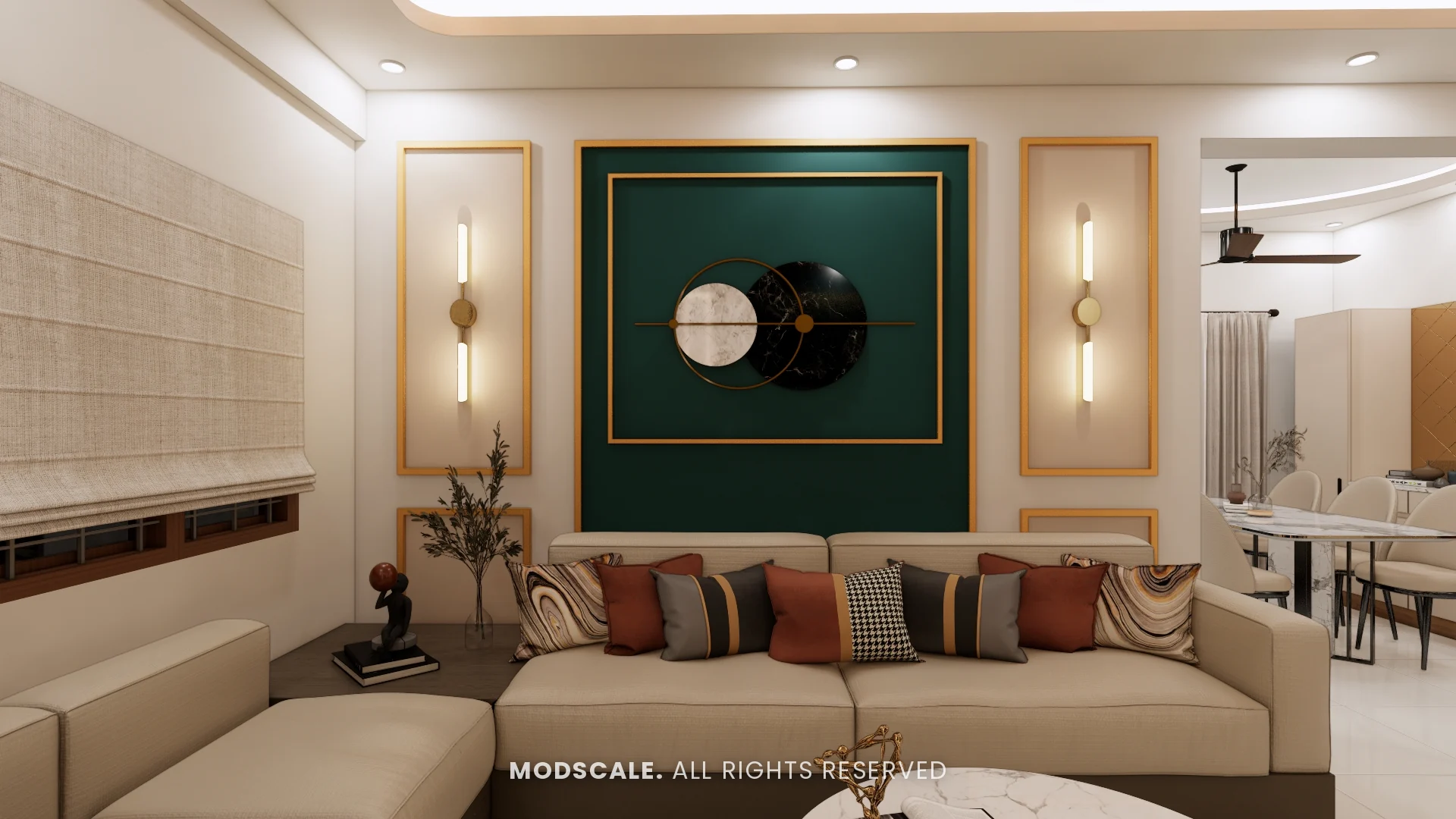
PVC wall panels have become a quick and affordable way to add texture to living rooms, bedrooms and TV walls. They come in marble, wood, fluted and 3D patterns, install in a day or two and are easy to wipe. They are not right for every wall, though. Here are PVC wall panel design ideas, along with an honest look at where PVC works and where another material is better.
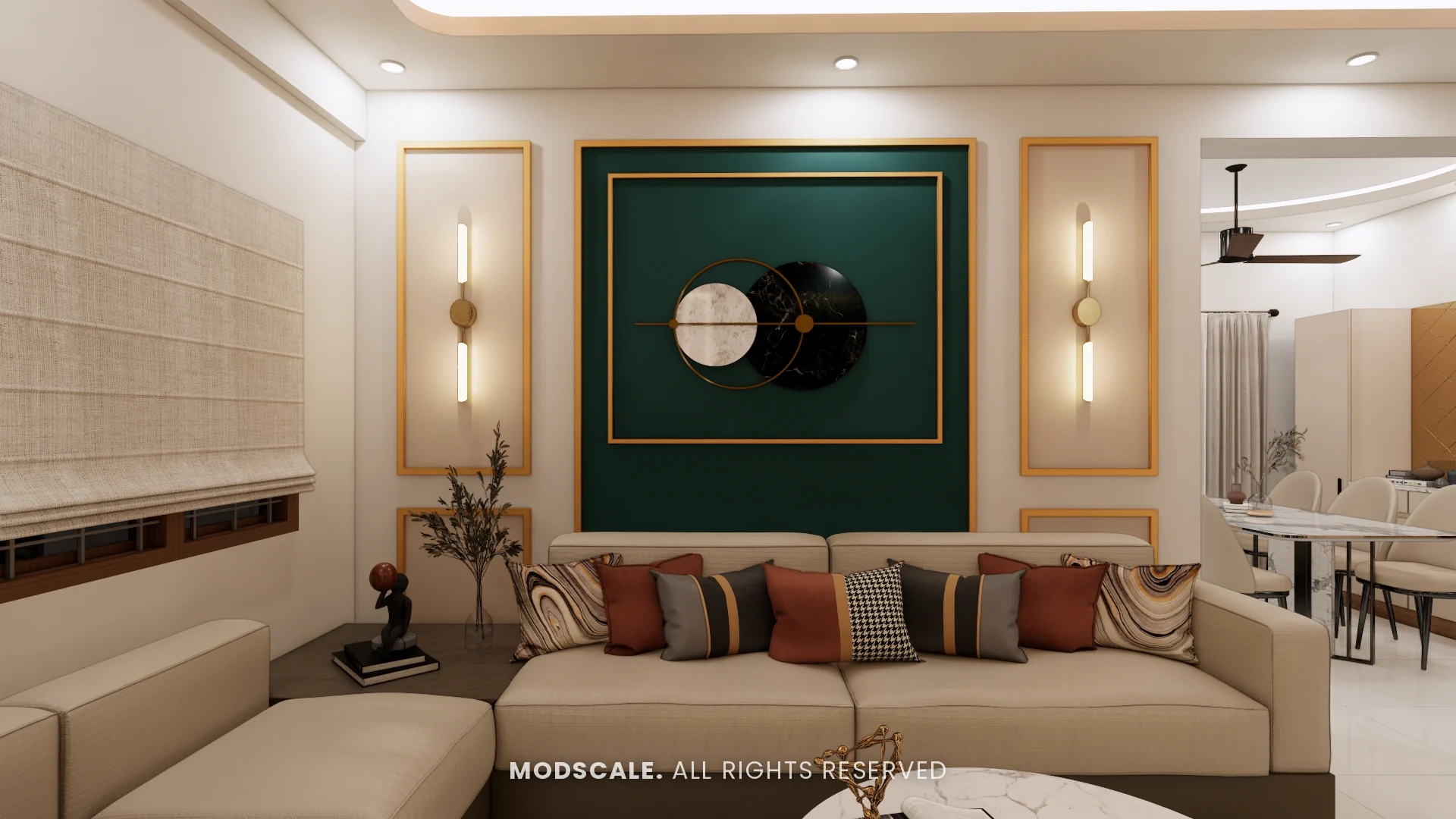
PVC wall panel design ideas
Marble-look TV wall
Large PVC sheets printed with marble veining give a stone-look TV wall without the weight. Frame the TV with a contrasting border or fluted strips on either side.
Fluted panels behind the bed or sofa
Vertical fluted PVC panels in wood or solid colours add rhythm and make a low ceiling feel taller. Add a strip light at the top for a soft glow.
Wood-grain feature wall
Wood-look PVC panels warm up a bedroom or study at a fraction of the cost of veneer.
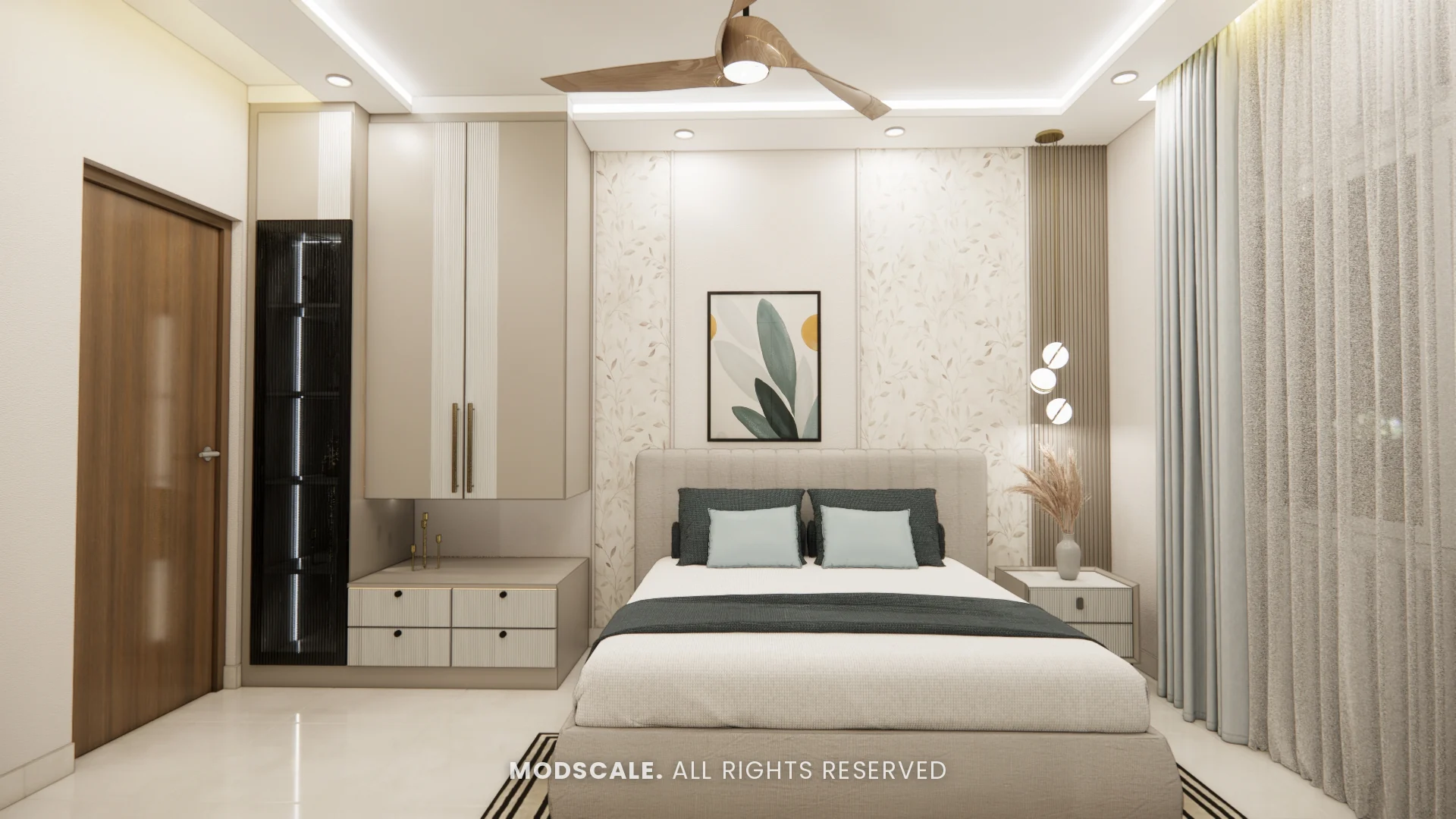
Half-height wainscot
PVC panels on the lower part of a wall in passages and kids’ rooms protect the paint from scuffs and are easy to clean.
Bathroom and utility walls
Because PVC is waterproof, it suits dry areas of bathrooms, utility walls and balconies under cover. Tiles remain the better choice inside the shower.
Pros and cons of PVC panels
- Pros: waterproof, termite-proof, light, quick to install, easy to clean and affordable.
- Cons: can look plasticky up close, may yellow in strong direct sun, scratches more easily than laminate, and is not as rigid as wood-based panels.
PVC vs other panel materials
- WPC panels: thicker and more rigid than PVC, also waterproof; better for fluted panels and louvers that need to look solid.
- Charcoal panels: rigid PVC-based sheets with a richer surface; popular for TV walls.
- Laminate or veneer on plywood: the most premium look and feel; needs a dry wall and costs more.
- Wall moulding with paint: the lightest, most classic option; see wall moulding design.
Installation tips
- Fix any damp or seepage first; panels trap moisture behind them.
- Plan switches, sockets and TV conduits before the panels go up.
- Use proper trims and corner profiles so edges look finished.
- Avoid glossy panels opposite large windows, where glare shows every joint.
For more panel ideas see wall panelling design for living rooms and modern TV unit design.
Frequently asked questions
Yes, for feature walls, passages, utility areas and covered balconies. They are waterproof, quick to fit and easy to clean, though they look less premium than laminate or veneer.
WPC panels are thicker and more rigid and look more solid, especially as fluted panels. PVC panels are thinner, lighter and cheaper. Both are waterproof.
Yes, on dry walls of the bathroom. Inside the shower area, tiles are still the better choice.
Some PVC panels can fade or yellow in strong direct sun. Choose UV-stable products for sunny walls.
They can hide minor unevenness and old paint, but any damp or seepage must be fixed first or it will damage the wall behind the panels.
Planning your interiors? Book a free design consultation or WhatsApp us on +91 88845 55998.