
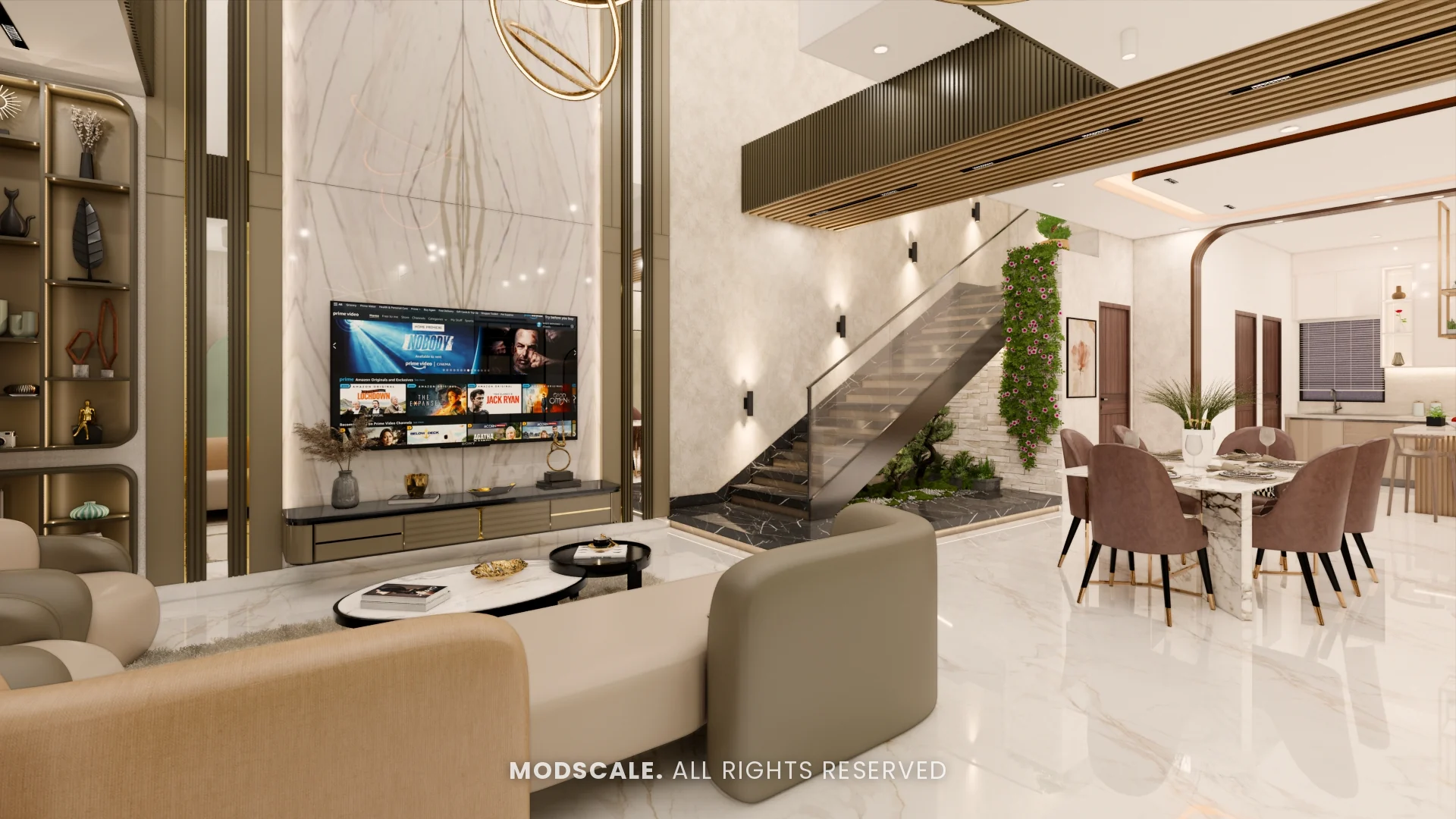
Ceramic tiles are made from clay fired at lower temperatures; they are lighter, easier to cut and usually cheaper, which suits walls and low-traffic areas. Vitrified tiles add silica and feldspar and are fired hotter, so the body turns glass-like and absorbs very little water (under 0.5% for fully vitrified tiles under the IS 15622 / ISO 13006 classification, against much higher absorption for ceramic wall tiles). That makes vitrified tiles harder, more stain-resistant and the usual choice for living room, bedroom and kitchen floors.
In this guide
Tile choice affects how a floor wears for the next 15–20 years. In apartments across Bengaluru, most builders hand over with vitrified floors and ceramic bathroom walls, and homeowners renovating often ask whether that mix is right. Here is how to decide. For room-specific ideas see hall floor tiles and bathroom tile designs.
How they are made
- Ceramic: clay and natural minerals, glazed and fired. The body is more porous, so it absorbs more water and is softer.
- Vitrified: clay mixed with silica, quartz and feldspar, pressed and fired at higher temperatures until the body partly melts (vitrifies). Types include double charge, full body, glazed vitrified (GVT) and polished glazed vitrified (PGVT).
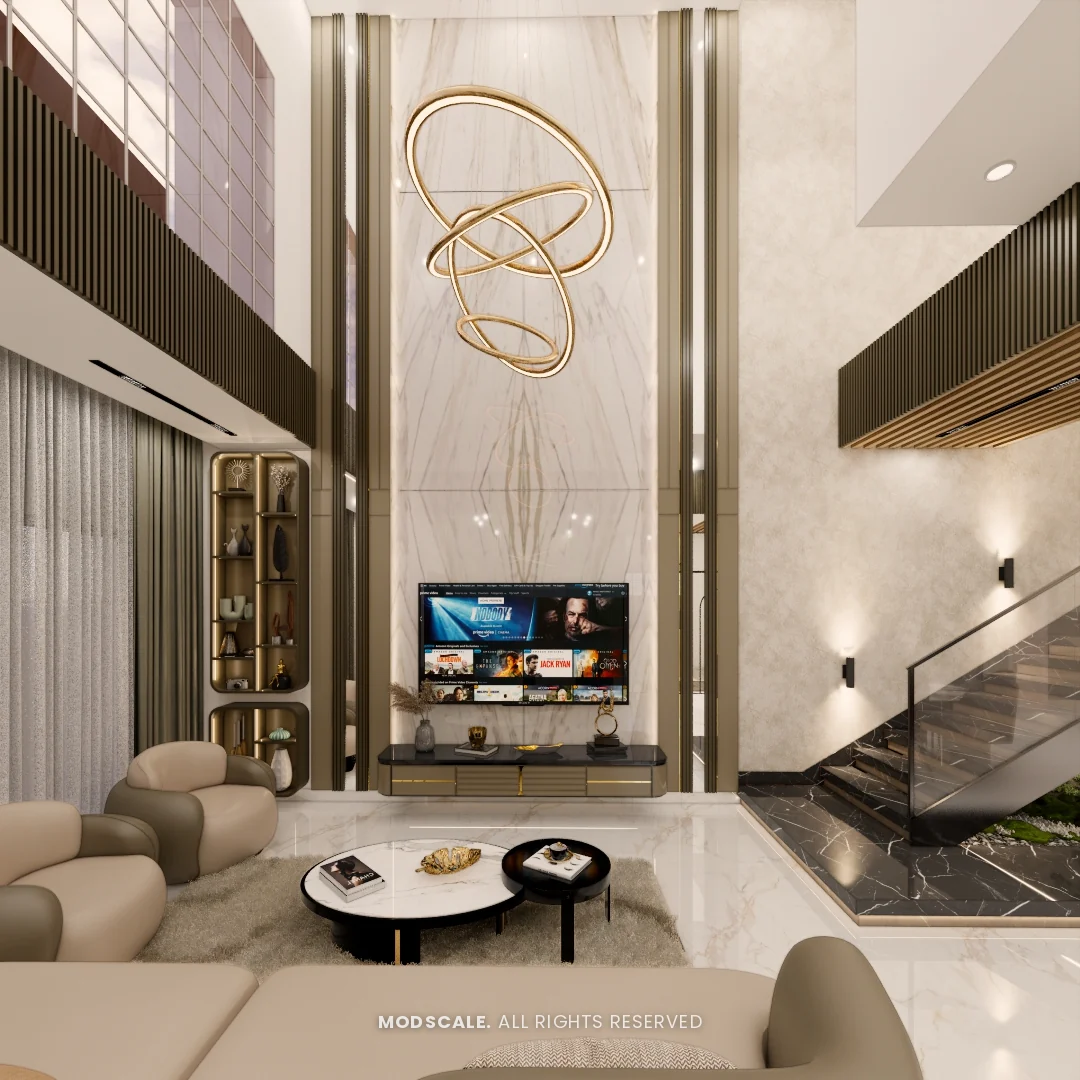
Vitrified vs ceramic at a glance
| Factor | Vitrified | Ceramic |
|---|---|---|
| Water absorption | Very low (under 0.5% fully vitrified) | Higher |
| Hardness and scratch resistance | High | Moderate |
| Stain resistance | Good | Good if glazed; body stains if chipped |
| Weight and cutting | Heavier, harder to cut | Lighter, easier to cut |
| Sizes | Large formats (2 × 2 ft, 2 × 4 ft, slabs) | Usually smaller formats |
| Cost | Usually higher | Usually lower |
| Best for | Floors, kitchen platforms back-splash, high traffic | Bathroom and kitchen walls, low-traffic floors |
Polished vitrified tiles can be slippery when wet. For bathrooms and balconies, choose matt or anti-skid finishes.
Which tile goes where
| Area | Recommended | Note |
|---|---|---|
| Living and dining floor | Vitrified (GVT/PGVT, double charge) | Large formats mean fewer joints |
| Bedroom floor | Vitrified or wooden-look GVT | See our bedroom tiles guide |
| Kitchen floor | Matt vitrified | Easier to clean, less slippery |
| Kitchen wall | Ceramic or vitrified | Ceramic is lighter and cheaper |
| Bathroom floor | Anti-skid vitrified or ceramic | Slip rating matters most |
| Bathroom wall | Ceramic | Easy to fix and cut |
| Balcony / utility | Anti-skid vitrified | Handles rain and washing |
More ideas: bedroom floor tiles, kitchen wall tiles.
Cost factors to compare
- Tile type and format: large slabs cost more per sq ft and need skilled laying.
- Laying: adhesive versus cement mortar, levelling and spacer use.
- Wastage: allow about 5–10% extra, more for diagonal or patterned layouts.
- Removal of old tiles and debris, if renovating.
- Grout: epoxy grout costs more but resists stains in kitchens and bathrooms.
For other floor options, read flooring options for Indian homes and marble vs vitrified tiles.
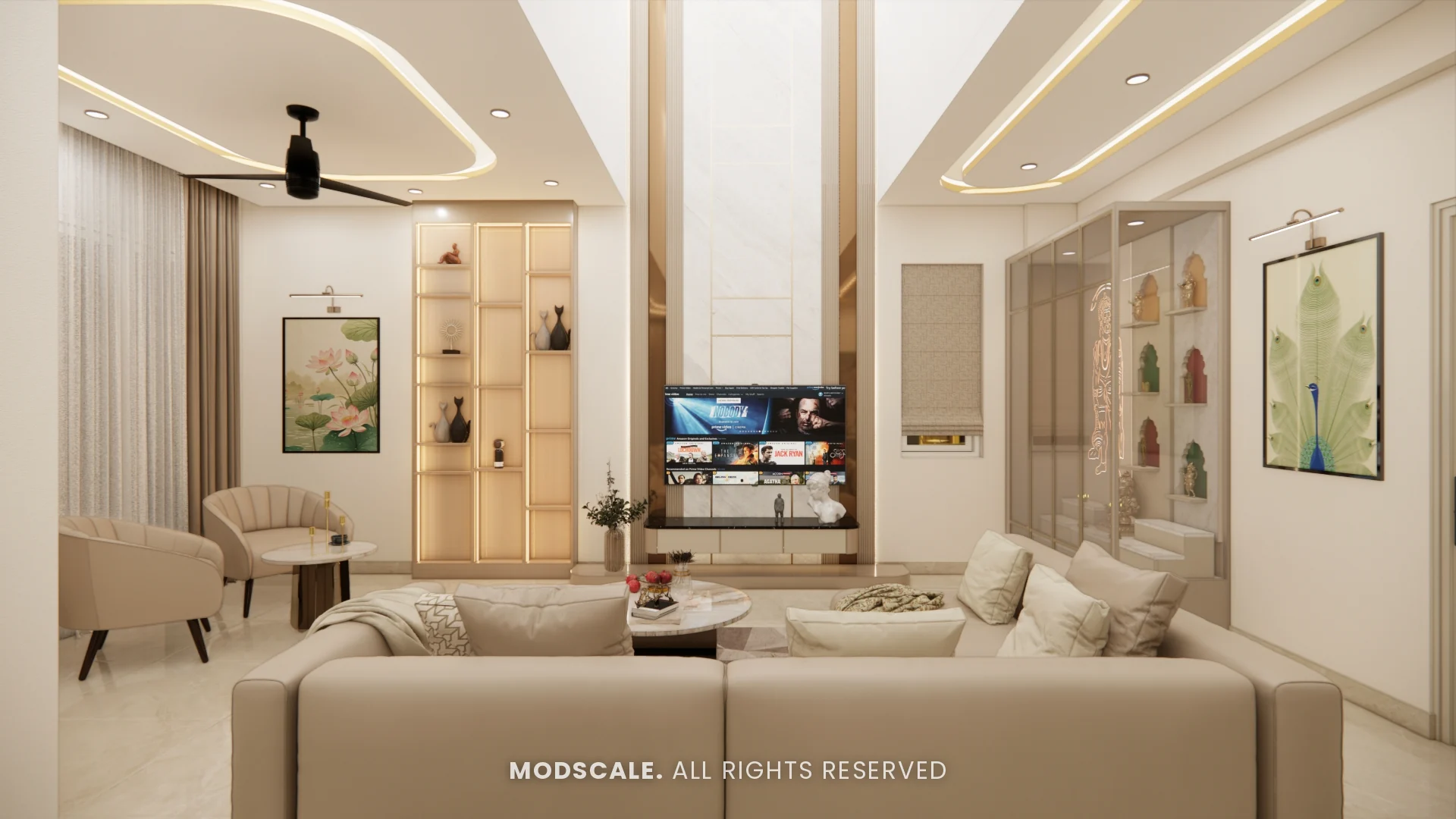
Checks before buying
- Buy all boxes from the same batch; shade can vary between batches.
- Check tiles for flatness and size variation by laying a few side by side.
- Ask for the water absorption class and slip rating on the box or data sheet.
- Keep a box aside for future repairs.
Frequently asked questions
What is the main difference between vitrified and ceramic tiles?
Vitrified tiles are fired hotter with added silica and feldspar, so they absorb very little water and are harder. Ceramic tiles are more porous, lighter and easier to cut.
Which is better for flooring?
Vitrified tiles, because they are harder, absorb less water and come in large formats with fewer joints.
Are ceramic tiles good for bathrooms?
Yes for walls. For bathroom floors, choose an anti-skid tile, either ceramic or vitrified.
Is vitrified tile slippery?
Polished vitrified can be slippery when wet. Matt or anti-skid finishes are safer in wet areas.
Which is cheaper?
Ceramic tiles are usually cheaper, though designer ceramic can cost as much as basic vitrified.
What is GVT and PGVT?
Glazed vitrified tile and polished glazed vitrified tile: vitrified tiles with a printed glaze layer, the latter with a glossy polish.