
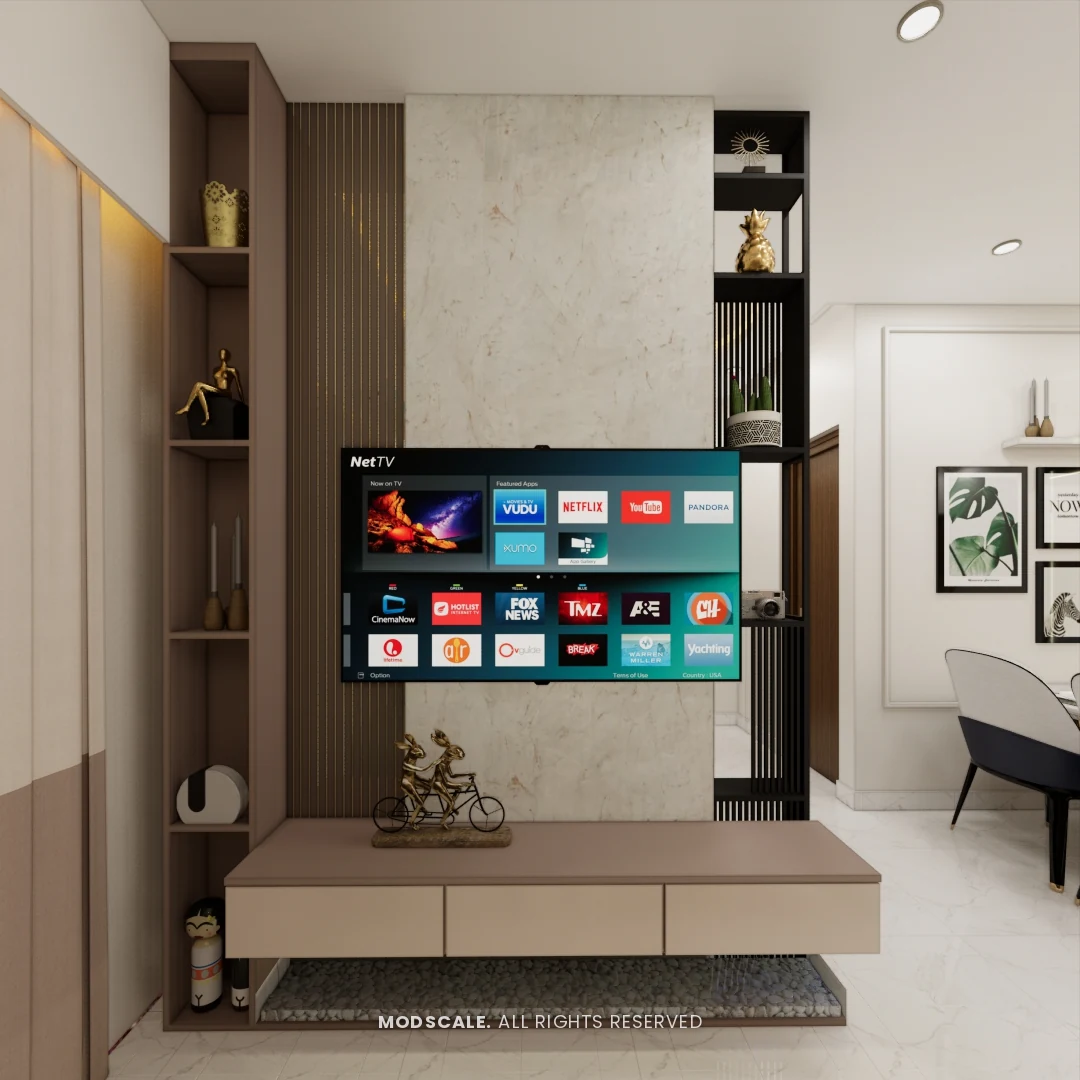
Marble is natural stone with unique veining and a cool, rich feel, but it is porous, can stain or etch from acids, and needs polishing and sealing. Vitrified tiles are engineered with very low water absorption, resist stains, need little maintenance and come in marble-look designs. Most apartments use vitrified tiles; marble suits feature areas and owners happy to maintain it.
Large-format marble-look tiles have made this a closer choice than it used to be.
Comparison
| Factor | Marble | Vitrified tiles |
|---|---|---|
| Look | Natural veining, each slab unique | Consistent, many designs |
| Stain resistance | Lower; porous | High |
| Maintenance | Periodic polishing, sealing | Simple cleaning |
| Installation | Skilled laying, longer | Faster |
| Joints | Near seamless after polishing | Visible grout lines |
Where each works
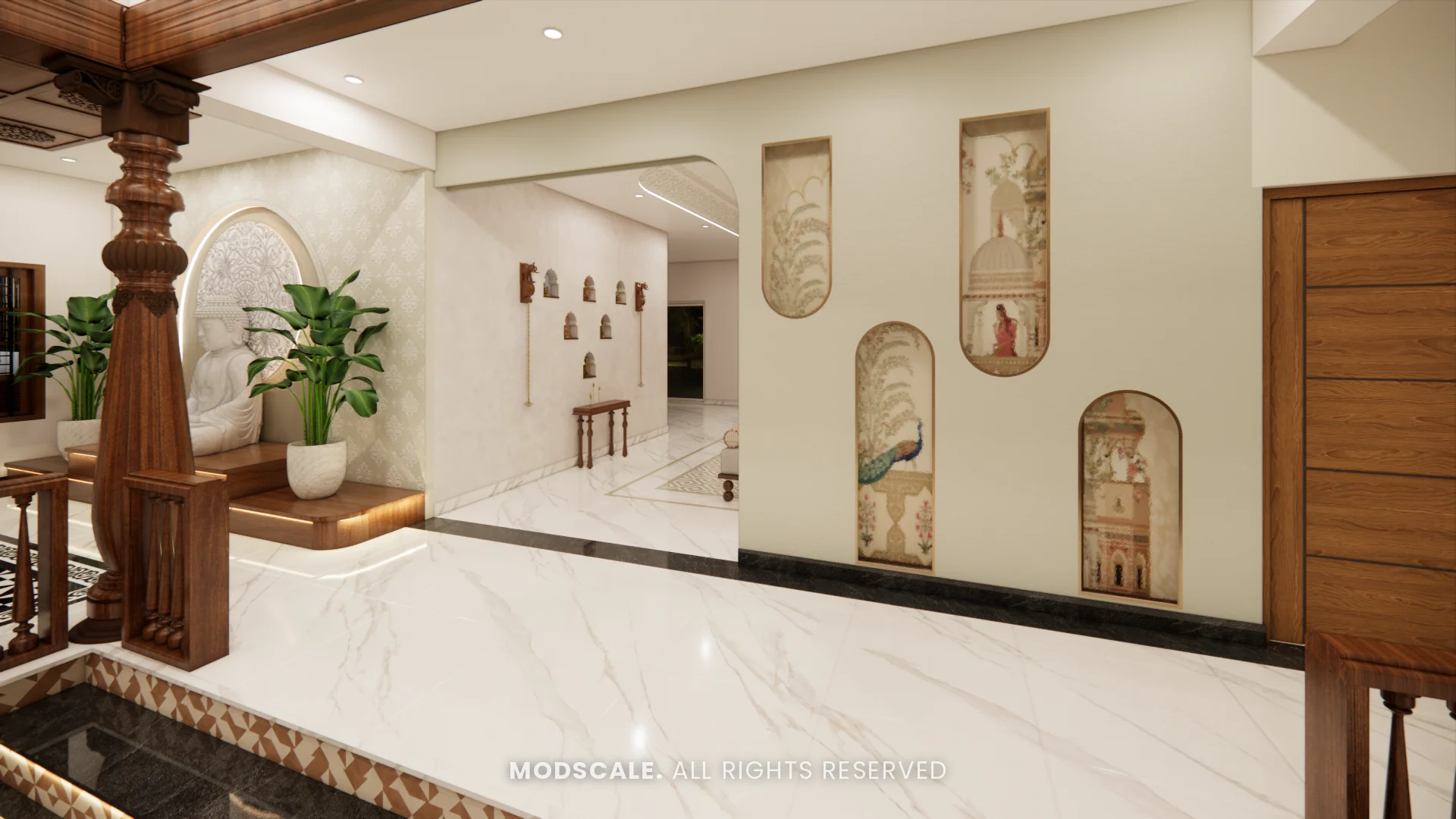
- Marble: foyers, pooja rooms, feature floors, staircases.
- Vitrified: whole-home flooring, rentals, kitchens.
If you choose marble in a kitchen or dining area, seal it and wipe up lemon, vinegar and tea quickly.
Related
See home tiles guide.
Frequently asked questions
Which is better, marble or vitrified tiles?
Vitrified tiles are easier to maintain; marble offers natural, unique beauty.
Does marble stain?
It can, because it is porous; sealing helps.
Do vitrified tiles look like marble?
Many marble-look vitrified tiles are available.
Which flooring lasts longer?
Both last decades with care; marble can be re-polished.
Is marble good for kitchens?
Possible if sealed, but tiles are lower maintenance.