
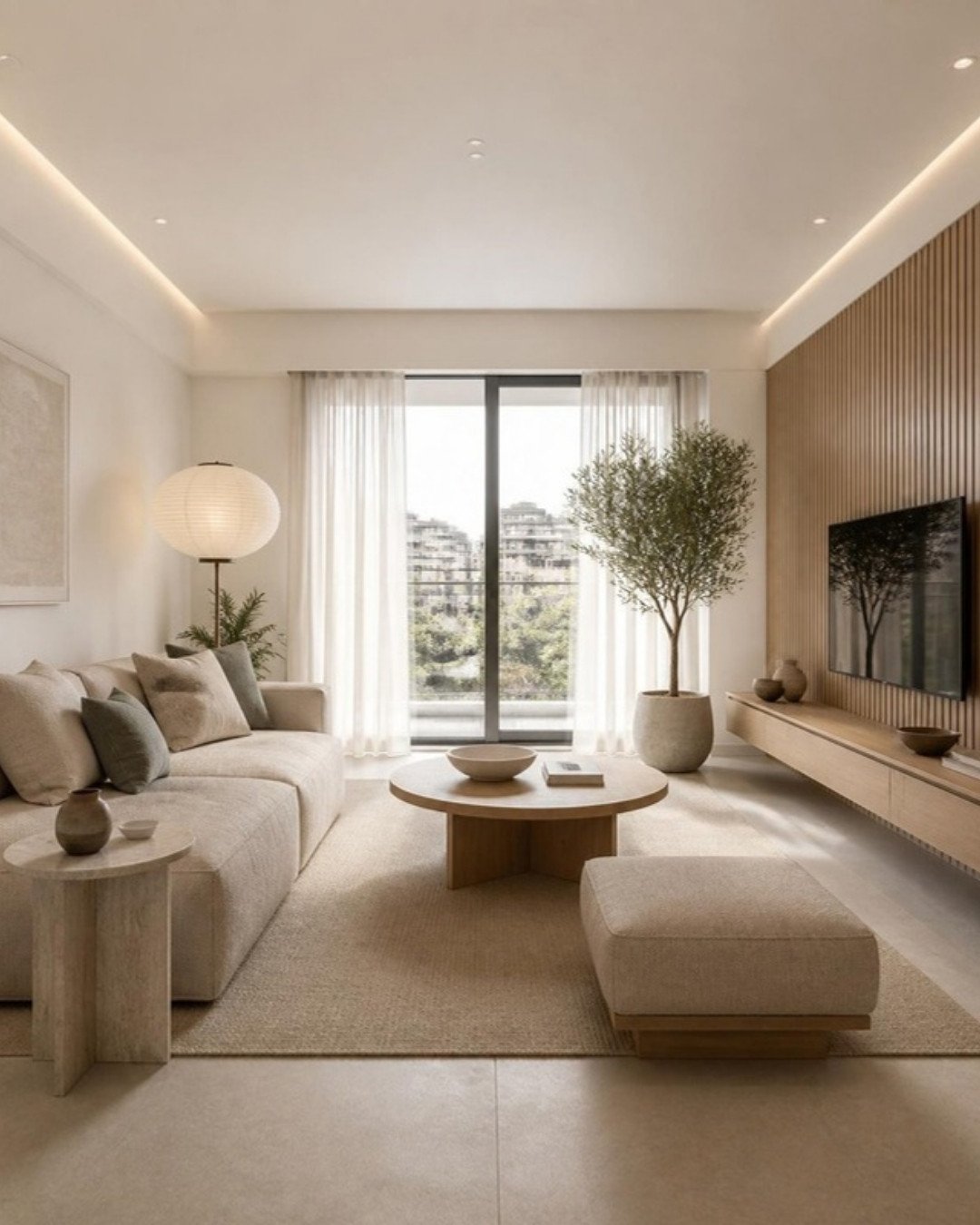
Paint covers more surface area than any other finish in a home, and it is the one most people choose in a hurry from a shade card. The colour is only part of the decision. The type of paint, its sheen, and the putty and primer beneath it decide how the wall looks after three monsoons and a few rounds of cleaning. This guide explains the common interior paint categories sold in India, how matt, satin and gloss differ, what surface preparation involves, and what to use in each room.
The main types of interior wall paint
Distemper
Distemper is the most basic interior wall coating. Dry distemper is a chalk-based powder mixed with water; acrylic or oil-bound distemper adds a binder that makes it somewhat more durable. It gives a flat, slightly chalky finish. It is economical and is still widely used for ceilings, rental repaints and builder handovers. Its limitations are well known: it marks easily, is not meant to be scrubbed, and can rub off on hands and clothes in its cheaper forms.
Emulsion
Emulsions are water-based paints with acrylic or similar polymer binders. They form a continuous film that resists stains better than distemper, holds colour longer, and can be wiped. Almost every major Indian paint brand sells interior emulsions in tiers. The names differ by brand, but the structure is broadly the same.
- Economy emulsions: a step above distemper. Smoother finish and better colour than distemper, with limited washability. Suited to low-traffic rooms, ceilings and tight budgets.
- Mid-range (premium) emulsions: better coverage, a richer finish and reasonable stain resistance. This is the sensible default for most bedrooms and living areas.
- Top-tier (luxury) emulsions: the smoothest film, the best washability and stain resistance, and often added claims such as low odour, anti-fungal protection or higher sheen. These make the most sense on walls that get touched, splashed or scrubbed.
Performance claims such as washability cycles, coverage per litre and warranty periods are specific to each product. Read the manufacturer’s technical data sheet for the exact paint you are being quoted, rather than relying on the tier name.
Enamel
Enamels are hard-drying paints, traditionally solvent-based, used on wood, metal grilles, doors and window frames rather than on walls. Water-based enamels with lower odour are now common. An enamel-finished door frame beside an emulsion wall is a normal combination.
Texture and speciality finishes
Textured coatings, metallics and special-effect finishes are applied with rollers, trowels, combs or sponges to create patterns. They are normally reserved for a single feature wall. Our article comparing wallpaper, paint and texture finishes covers when each is worth using.
Matt, satin and gloss: understanding sheen
Sheen describes how much light the dried paint reflects. Brands use slightly different labels, such as matt, soft sheen, eggshell, satin, silk and gloss, so always look at a painted sample rather than the word on the tin.
Matt
Matt finishes reflect very little light. They hide surface undulations, roller marks and patchwork better than any other sheen, and they give colours a calm, velvety depth. The traditional drawback is that matt surfaces hold on to marks and can burnish, or turn shiny, where they are rubbed. Better-quality matt emulsions have improved a good deal on this, but a matt wall is still less forgiving of scrubbing than a sheen wall.
Satin and soft sheen
These sit in the middle. They reflect some light, feel smoother to the touch and wipe clean more easily. The trade-off is that sheen highlights every imperfection: a wavy wall, a poorly sanded putty patch or a visible joint will show more under a satin finish, particularly with light falling along the wall from a window.
Gloss and high sheen
Gloss is the most reflective and the easiest to wipe, and the least forgiving of a poor surface. On walls it is used sparingly. It is more common on woodwork and metal, in the form of enamel.
A simple way to choose
- Uneven or older walls, ceilings, and rooms where a calm look matters: matt.
- Walls that are touched and cleaned often, on a well-prepared surface: soft sheen or satin.
- Doors, frames and grilles: satin or gloss enamel.
Surface preparation: putty and primer
Painters often say that the finish is only as good as the wall beneath it, and this is the part of the job most likely to be shortened when a price is negotiated down.
Wall putty
Putty is a fine filler applied in thin coats to level the plaster and fill pinholes and minor undulations. There are two broad kinds:
- White cement-based putty, which bonds well to plaster and tolerates moisture better. It is the usual choice for new walls and for any wall with a history of dampness.
- Acrylic putty, a ready-mixed paste that gives a very smooth finish and is convenient for repaints on dry interior walls.
Putty is normally applied in two coats and sanded smooth between and after coats. It is not a structural repair: cracks should be opened and filled with a suitable crack filler first, and putty applied too thickly to hide a badly out-of-plumb wall will tend to crack.
Primer
Primer seals the porous putty surface so the top coats spread evenly, bond well and do not get absorbed in patches. Skipping primer usually shows up as uneven sheen and higher paint consumption. Water-based interior primers are standard for emulsions; specific primers exist for wood, metal and for damp-prone or alkaline surfaces.
A typical sequence for a new wall
- Allow new plaster to cure and dry fully.
- Clean the surface and repair cracks.
- Treat any dampness at its source.
- Apply one coat of primer, where the putty manufacturer recommends it.
- Apply two coats of putty, sanding after each.
- Apply one coat of primer.
- Apply two or more coats of emulsion, as per the manufacturer’s instructions.
Systems vary by brand, so follow the specification for the products actually being used. For repainting a sound wall in a similar colour, the usual scope is sanding, touch-up putty on damaged spots, a primer coat on those patches or the full wall, and fresh top coats.
Paint and Bangalore’s weather
Bangalore is milder than coastal cities, but the monsoon months are humid and many apartments have external walls, bathroom-adjacent walls or top-floor ceilings that show damp patches. Paint does not cure dampness. Blistering, flaking and a white powdery deposit are signs of moisture coming through the wall, and the fix lies in waterproofing, plumbing repair or external crack sealing. Once the source is fixed and the wall has dried, a cement-based putty and a paint with anti-fungal properties are sensible choices for such walls. Schedule painting to allow proper drying between coats; rushing during wet weather is a common cause of poor results.
Room-by-room recommendations
- Living and dining: a mid-range or top-tier emulsion. Matt for a calm, uniform look on large walls; soft sheen where chairs and hands touch the wall.
- Bedrooms: mid-range matt emulsion is usually sufficient, as wear is low.
- Children’s rooms: a top-tier washable emulsion in a soft sheen, at least on the lower half of the walls, because crayon and fingerprints are a certainty.
- Kitchen: tiles on the splash zone, and a washable, stain-resistant emulsion with some sheen on the remaining walls.
- Bathrooms: mostly tiled. Any painted area and the ceiling should have a moisture- and fungus-resistant paint.
- Ceilings: flat matt in white or a very pale tint, which hides joints and reflects light evenly. This applies equally to gypsum ceilings; see our false ceiling guide.
- Passages, staircases and the foyer: the most scuffed walls in the house. Use the most washable paint in your budget.
- Balcony and utility walls: exterior-grade paint, not interior emulsion.
- Pooja room: a washable emulsion copes better with lamp soot and incense smoke.
Colour and light
A shade looks different on a card, on a screen and on your wall. Paint a sample patch of at least a couple of square feet on the actual wall and view it in morning light, afternoon light and under your own lamps at night. Warm white and cool white bulbs shift colours noticeably, so finalise paint alongside lighting; our lighting design guide for Indian homes explains colour temperature. Deep colours generally need more coats and show touch-ups more readily than pale ones.
What drives painting cost
We have not included rupee figures, since brand price lists change and labour rates differ between contractors. The elements of any painting quotation are:
- Wall condition: a new or damaged wall needing full putty work costs more than a repaint on a sound surface.
- Paint tier and brand.
- Painted area, usually measured as wall and ceiling area rather than carpet area.
- Number of coats and number of colours.
- Texture or speciality finishes on feature walls.
- Whether the home is occupied, which adds masking, furniture shifting and slower progress.
Ask for the quotation to name the exact product, the number of coats of putty, primer and paint, and how the area was measured. Painting is one line in a larger budget; our overview of what drives interior cost puts it in context, and the interior project timeline shows where painting falls in the sequence of work.
Frequently asked questions
It is serviceable for ceilings and low-use rooms on a tight budget, but it marks easily and cannot really be cleaned. For living areas, an emulsion is the more practical choice over the years.
Not necessarily. Its advantages show most on walls that are touched and cleaned. Many households use a top-tier washable paint in living areas, passages and children’s rooms and a mid-range emulsion in bedrooms and on ceilings.
If the existing surface is smooth and sound, full putty coats are often unnecessary; local patching, sanding and priming are enough. New plaster, or a wall with visible undulations, needs proper putty work.
Matt. The higher the sheen, the more light it reflects and the more clearly bumps and patches show.
How often do interior walls need repainting?
It depends on the paint quality, how well the surface was prepared, sunlight, dampness and how the room is used. Manufacturers publish expected performance and warranty terms for individual products, and those are a better guide than any general rule.
Planning your interiors? Book a free design consultation or WhatsApp us on +91 88845 55998.